The reason for so many child molesters in the novel is because of the living conditions. Many of these men aren't successful, or rich or wealthy. But they also want to feel superior, and everyone even today, want someone to look down on to feel in powered and feel better about themselves.
In regarding to Soaphead's letter to god, it was basically his way of not feeling guilty about killing the dog, and tricking Pecola. It goes back to the molester idea, about feeling powerful about themselves. I think the reason why he did this, was to feel like he isn't like the rest of the people in this society, that he is looked at more like a god, than another molesting man.
Pecola is talking to herself. She has gone basically delusional. Crazy, mental, physoctic. Her obsession with blue eyes has gone too far. But then again, she is there person that all the people basically look down on to feel better about themselves. The fact that i may be poor and unsuccessful, but I'm still better than you, and with all those feels, she is basically in denial, that people don;t look down at her, but that they are jealous of her.
Friday, October 30, 2015

Thursday, October 29, 2015
Carpenter's Gothic
After reading the beginning of the book "Carpenter's Gothic", by William Gaddis, I felt that I had a hard time picking up what was going on. So far I have picked up that the story is about a Vietnam war veteran named Paul who is married to Liz Booth, who is planning on leaving and going to Washington D.C for something. Throughout the section that I read, the two are arguing about Liz leaving to go to Washington D.C. I also know that the setting of the book is in New York City, because of the mention of the BQE. I also remember that Liz looks at a headline that says that General Motors lost $400 million dollars. This book is really hard to follow because of the way it is written. It is very hard to understand who is speaking because there are no quotations, instead there are these dashes that signify when someone is speaking. The book also doesn't say who said the line, it just says "she said, or he said". There are no names given after a person speaks. I also am finding this book difficult because Liz and Paul seem to jump around a lot when they are talking, at one moment Liz is talking about leaving, and then Paul changes the subject, saying that someone called Edie had called earlier. I feel that if the writing of this book was easier to understand, I would probably enjoy this book more.
Wednesday, October 28, 2015
Todays class
Todays character analysis first off was very funny. But, I saw that it was very useful. It was a great way to tie up the end of the book. Since Morrison's story was hard to understand sometimes with the infinite changes of narrators, it was great to just get a refreshment of some of the main characters. Being able to see their reasons for their actions according to the story. Being able to "ask the characters" questions and get very good quality answers. For me, this activity helped me understand and clarify my confusion. I look forward to more activities like this especially with our new book challenge.
Finishing Up The Bluest Eye response
There are so many child molesters in the story maybe because Morrison had witnessed someone she grew up with being molested. There is a high chance that Morrison also wanted to expose to truth about what was going on back then. Mr. Henry, Soaphead Church and Cholly all aren't happy and require some sort of sexual act to bring even slight happiness. None of them are able to please their wives or women either. Mr. Henry stays with the MacTeers because the women he was living with was becoming senile. Cholly and Mrs. Breedlove are constantly verbally and physically abusing each other. Soaphead Church's wife left him because he would never please her in bed.
Church most likely believes he is a god like figure or possibly a prophet. He feels as if God might just be ignoring everyone. So he "takes" god's place and "grants" people what they wish and have been praying for. He "gives" Pecola her blue eyes that she has always wanted. He actually believes he could do such things. I don't think he's a believer of God because his prayers have not been answered.
I believe Pecola is talking to herself. She has gone insane with the thought that her eyes are blue and shes arguing with her former self. She wishes nothing but to have blue eyes and she will force herself to believe that her eyes are now blue.
This was a slightly harder book to understand but when dissecting certain aspects of the book I was able to understand some characters and their view points. Like Pecola's want for blue eyes is so intense because everyone around her has such a specific sense of beauty and are constantly belittling her for her lack of said beauty. This story is a rather interesting read that opens your eyes to what life was like for young black women.
Change of seasons
The changing of seasons in the Bluest Eye is significant. For me the seasons represent different things from different view points. When thinking of the actual Christian calendar the four seasons represent a life cycle. Spring is a birth, Summer is growth, Autumn is change and Winter is death. The second way I view the seasons is by the school year. I view Autumn as the beginning, Winter still has death, Spring as rebirth and Summer as growth.
In the book Toni Morrison uses the seasons to represent chapters. The seasons are like a foreshadow of what will happen in the next chapter. In Autumn, Peccola, Frieda and Claudia are becoming best friends and are starting the school year together. This is Morrison showing us the start of something new. For Winter things turn for a sour note when we realize just how horrible Peccola's life is. We are taken into her loneliness, abandonment and the hatred just about everyone has towards her. In Spring things turn ever more sour. This could be Morrison's way of saying there won't be a change that things will just get worse. Spring should be a happy feeling for everyone but it just brings more pain and sorrow to the story. In Summer Morrison's theme of things just keep getting worse and worse progresses. Peccola starts going insane in believing that she actually has blue eyes and she's talking to a non existent character. At the every end Claudia and Frieda are discussing the fact that none of the flowers are growing which to them represents something bad is gonna happen.
Morrison's start of the story starts off in a season that is on the fence of good and bad. She tips the story towards the bad and keeps it at that pace defining the story from the first season used. If she had started with Spring there probably will be a change in the story's tone and maybe Peccola would have had a better life.
In the book Toni Morrison uses the seasons to represent chapters. The seasons are like a foreshadow of what will happen in the next chapter. In Autumn, Peccola, Frieda and Claudia are becoming best friends and are starting the school year together. This is Morrison showing us the start of something new. For Winter things turn for a sour note when we realize just how horrible Peccola's life is. We are taken into her loneliness, abandonment and the hatred just about everyone has towards her. In Spring things turn ever more sour. This could be Morrison's way of saying there won't be a change that things will just get worse. Spring should be a happy feeling for everyone but it just brings more pain and sorrow to the story. In Summer Morrison's theme of things just keep getting worse and worse progresses. Peccola starts going insane in believing that she actually has blue eyes and she's talking to a non existent character. At the every end Claudia and Frieda are discussing the fact that none of the flowers are growing which to them represents something bad is gonna happen.
Morrison's start of the story starts off in a season that is on the fence of good and bad. She tips the story towards the bad and keeps it at that pace defining the story from the first season used. If she had started with Spring there probably will be a change in the story's tone and maybe Peccola would have had a better life.
Tuesday, October 27, 2015
The bluest eye
The bluest eye by "Toni Morrison." There can't be anyone,who does not know what it feels like to be disliked or being rejected. I think the main theme of the novel is the self-hatred produced by a racist culture. pecola though that if she had blue eyes she would become beautiful and her parents would stop fighting. Appearances,race, society and class. play a big role in the bluest eyes and I Feel like somehow it connect to us in today society. In today society people who you don't feel comfortable or need changes in there body,they get plastic surgery.
The bluest eye by "Toni Morrison." There can't be anyone,who does not know what it feels like to be disliked or being rejected. I think the main theme of the novel is the self-hatred produced by a racist culture. pecola though that if she had blue eyes she would become beautiful and her parents would stop fighting. Appearances,race, society and class. play a big role in the bluest eyes and I Feel like somehow it connect to us in today society. In today society people who you don't feel comfortable or need changes in there body,they get plastic surgery.
Monday, October 26, 2015
Dominique Gomillion, Francisco Vieites, Gianni Bertolini, Michael Pena
1)

"Beauty is in the eye of the beholder" Pecola believes she would be beautiful if only she had blue eyes. Though what she believes is beauty may not guarantee her acceptance from others.
2)

We believe that the stories use of Fragmentation often confuses the reader.
3)

Cholly often feels imprisoned within himself because he cannot get mad at the "white man" due to most likely fatal circumstances that may come , therefore he directs his anger towards everything and everyone else.
Video Clip
https://youtu.be/6g8mzywIWTs
This video represents a few young adults who are uneducated about the females period and becomes in a state of panic as Claudia, Freida and Pecola were when Pecola got hers.
Sound clip
https://youtu.be/6xknCc6X5-A
This video is actually a movie representing many of the conflicts and confusion that happened in the story.
1)
"Beauty is in the eye of the beholder" Pecola believes she would be beautiful if only she had blue eyes. Though what she believes is beauty may not guarantee her acceptance from others.
2)
We believe that the stories use of Fragmentation often confuses the reader.
3)
Cholly often feels imprisoned within himself because he cannot get mad at the "white man" due to most likely fatal circumstances that may come , therefore he directs his anger towards everything and everyone else.
Video Clip
https://youtu.be/6g8mzywIWTs
This video represents a few young adults who are uneducated about the females period and becomes in a state of panic as Claudia, Freida and Pecola were when Pecola got hers.
Sound clip
https://youtu.be/6xknCc6X5-A
This video is actually a movie representing many of the conflicts and confusion that happened in the story.
Cinematics for The Bluest Eye: Bryanna Davis, Nanita Zavala, Veneshia Marshall
 |
| Represents "the perfect image" altered |
 |
| SPRING SUMMER FALL WINTER |
 |
| Represents their community |
Represents Pecola's Mother spending most of her time with the family she works for more than her own.
[17] Cinematic Elements of The Bluest Eyes [Group: Shaquille Brown]
Image 1:
Image 2: 

Image 3:
Sound Clip: https://www.youtube.com/watch?v=ieWmeHhlAHg
Video Clip: https://www.youtube.com/watch?v=JEILl64xMEA
Jennette, Alysha, Lilian, Angela.

It's what Pecola dreamed to look like.

Represents the seasons in the book and the seasons symbolize changes.
(Winter - time where things die and return; symbolizes Pecola's life changes.
Spring - flourishment, the overcoming of the winter; symbolizes Pecola getting pregnant by her father --> new life.
Summer - end of freedom regarding school/work; symbolizes Pecola's childness where she has her imaginary friend.
Autumn - change in the weather; symbolizes Pecola's baby dying and no fertile plants for Freida and Claudia = all sadness and death.)

Represents what Claudia hated/mutilated and never could be.
https://www.youtube.com/watch?v=xoiaLr9SAAE
"That's So Raven" depicts a racist white woman neglecting to hire Raven (a black woman).
http://www.azlyrics.com/lyrics/2pac/changes.html
Discusses poverty.
The Bluest Eye Group Work
Lamija Mulic
Oneka Baker
kimberly Groce


http://www.azlyrics.com/lyrics/samcooke/achangeisgonnacome.html
https://www.youtube.com/watch?v=H54ztA8ahpI
Oneka Baker
kimberly Groce
http://www.azlyrics.com/lyrics/samcooke/achangeisgonnacome.html
https://www.youtube.com/watch?v=H54ztA8ahpI


"The Bluest Eyes"
Pg 147-151
While reading these pages i found it very interesting at the end how Cholly was mad at Darline when they got caught having sex in the bushes. at first i was asking myself why would he be mad at her, i mean i know she was the one who started with the touching and what not, but as i continue to read the passage toward the end on 15o-151 it stated "Never did he once consider directing his hatred towards hunters ......... his subconscious knew what his conscious mind did not guess - that hating them have consumed him,burned him up like a piece of soft coal...." ...........
Pg 147-151
While reading these pages i found it very interesting at the end how Cholly was mad at Darline when they got caught having sex in the bushes. at first i was asking myself why would he be mad at her, i mean i know she was the one who started with the touching and what not, but as i continue to read the passage toward the end on 15o-151 it stated "Never did he once consider directing his hatred towards hunters ......... his subconscious knew what his conscious mind did not guess - that hating them have consumed him,burned him up like a piece of soft coal...." ...........
Change of Seasons
For me the seasons resemble change from the old to new, becoming a better version of yourself than you were before. During fall, flowers and trees start to shed their leaves and pedals from the previous year and by winter most trees are naked and bare while the flowers have settled back into the dirt. Then by spring new branches start to grow and stems start to sprout from the ground and by the time summer comes, these trees and flowers are new and shine with vibrant colors, this is similar to people. During the fall is when everyone gets busy, they stay home more since its starting to get cold and when winter comes, they spend more time working on them self since they have more time alone than being outside with renovations (with self, surroundings, work). In spring progress is shown and, the changes that were made start having benefits, and when spring comes, the person is satisfied with the outcomes of change and show them off. If change is made with their body they show more skin, and if change was made in their surroundings, for example home renovation, they have celebrations and cookouts at home.
I don't know why there are so many child molesters in this story but it is kind of disturbing. Maybe it was to give a sense about what time period they are in where there are child molesters just running about. What Mr. Henry, Cholly and Soaphead Church have in common is that they all either touched or thought about touching Peccola in a sexual way. Mr.Henry touched Peccola's breast, Cholly raped her and Soaphead Church thought about touching her but he didn't when she came to him for help about wanting blue eyes. Soaphead Church's letter to God was really stupid. He explained to him what I previously wrote about him helping out Peccola...
I think the passage on page 141 to 143 is more or less just giving a "feel" of Cholly's upbringing and to familiarize the reader with Cholly's character a bit more. I noticed in this book that Morrison tends to give a shine to the negative and positive characteristics of alot of the characters. I believe it was Claudia's mother who at first we were lead to believe she was a mean spirited woman but then Morrison incoorporates her good side and shows that that mean spiritness is actually just a strict mother and that she loves her children very much.
I think at this point Morrison has portrayed Cholly's character very negatively and disgusting. By the way of his actions I dont believe it is possible to turn the view of Cholly to the reader anymore, nor do I quite believe that is what Morrison is trying to do. I believe she is just trying to give the reader the second side of the story in a way. I think she is trying to get us to maybe understand what has happened in his life as well that may have turned him into the character he has been portrayed to be. I dont believe she wants us to sympathize because at the end of the day everyone is accountable for their own actions and what he did to his daughter is unforgiving, I think maybe she is showing us an understanding of him and that he was not always this horrid person.
I think at this point Morrison has portrayed Cholly's character very negatively and disgusting. By the way of his actions I dont believe it is possible to turn the view of Cholly to the reader anymore, nor do I quite believe that is what Morrison is trying to do. I believe she is just trying to give the reader the second side of the story in a way. I think she is trying to get us to maybe understand what has happened in his life as well that may have turned him into the character he has been portrayed to be. I dont believe she wants us to sympathize because at the end of the day everyone is accountable for their own actions and what he did to his daughter is unforgiving, I think maybe she is showing us an understanding of him and that he was not always this horrid person.
"The Bluest Eye"
In This passage at page 140 to 142, We learn that Ms. Jimmy died and there is her funerals. Many people gathered. They seemed never around but came just for that day by tradition. Cholly didn't know his cousins then or must people coming around.
I found interesting the way the author construct Cholly's personality. Cholly don't realize or don't care about what is happening. The funerals of the women who bring him up don't overwhelm him. he is rather curious about what is around him and getting to know his cousins.
That is where I was shocked reading what happened next. the funerals turned to be a transition to an horrible story between two teenagers Cholly and Darleen in a moment where things that they don't have power over was happening.
I found interesting the way the author construct Cholly's personality. Cholly don't realize or don't care about what is happening. The funerals of the women who bring him up don't overwhelm him. he is rather curious about what is around him and getting to know his cousins.
That is where I was shocked reading what happened next. the funerals turned to be a transition to an horrible story between two teenagers Cholly and Darleen in a moment where things that they don't have power over was happening.
Dialogue of 140-142 "The Bluest Eye"
The dialogue of that entire passage is pretty long but I think the point of it shows how many voices can contribute to the same story and mix in together. Like the narrator said "The creamy conversation fascinated him" probably due to how voices mixed together so smoothly even though we really don't know the identity of the people talking which would sometimes be chaotic because we don't know who they are exactly. It also shows how smooth the transition in conversations can go as well because first they were talking about the cause of death, to thread, to Essie's feelings and so forth but I believe what is also important is the speculations that go on that can cause a child's mind to wander on as well, especially when the people talking were speculating on the cause of Aunt Jimmy's death.
[16] Dialogue in The Bluest Eye
The use of Toni Morrison's dialogue in this part of the novel I think is to express how a typical funeral would be. His use of dialogue in this scene seems very natural and realistic to as if a funeral in real life. Everyone is happy, and saying oh how she was a good person, and how she said this, it was a sign, and just like basically faking it all. Like let me put a smile on my face that someones dead and talk about only good things that they did, and keep repeating how she was a good person. I think Morrison's use of dialogue is to show this traditional view of how life is. Like its a tradition to be nice and say that the person who died at a funeral was a good person. So his dialogue brings up this idea of the word tradition and things being original.
Pg 140-142 "The Bluest Eyes"
I think the point of that passage was just to give a little background / idea on the kind of people Cholly and and his Aunt Jimmy lived around. when reading those pages you get an idea that they were very good friend they were also loving and caring because even from before aunt jimmy died they were doing everything in their power to help her get well and stay alive. after jimmy's death they were still willing to help out little Cholly by cleaning up the house and what ever was needed for the funeral. the passages gives me a feeling that the community they lived in was maybe small and everyone knew and was close to each other in some kind of way.
I think the point of that passage was just to give a little background / idea on the kind of people Cholly and and his Aunt Jimmy lived around. when reading those pages you get an idea that they were very good friend they were also loving and caring because even from before aunt jimmy died they were doing everything in their power to help her get well and stay alive. after jimmy's death they were still willing to help out little Cholly by cleaning up the house and what ever was needed for the funeral. the passages gives me a feeling that the community they lived in was maybe small and everyone knew and was close to each other in some kind of way.
Symbolism of the Seasons to me and to the Story
Each season to me basically means the weather change and holiday's approaching. Each season has a different symbolism. These are some ideas that come to mind to me about the meaning of the seasons:
Fall: To me fall you see many things happening. One event is school starting. School begins in the fall season. In the fall you also see the change in the colors of leaves. You also see leaves falling to the ground. The holidays that happen in the fall are Halloween and Thanksgiving. The temperature also begins to change.
Winter: To me winter means cold. The temperature starts to drop. You begin to see many people where layers of clothing. Jackets, scarfs, gloves and boots are being pulled out by many people. Snow begins to fall. Children build snowmen and make snow angels. You walk in the street and see children with smiles on their faces because they are having fun playing in the snow. Two traditional holidays that occur during winter are Christmas and News Years. To me another special event that happens in the winter is my birthday.
Spring: In spring the snow begins to disappear and trees begin to come back to life. Flowers begin to bloom. Colorful flowers you see begin to grow and more bouquets are made. The level of rain showers increase. Not many holidays occur during this season. At the end of spring school finishes.
Summer: Summer is a very important season to me. Summer to me means vacation. School is over with until next fall. It also means fun in the sun. People like to go out to the pool and also to the beach. Little kids running around the streets playing ball and eating ice cream. Just having a good time. Playgrounds are full with people. Sprinklers in the playground are turned on.
In the story, the seasons mean a complete opposite thing. In the story the seasons mean events and experiences that the characters are facing in their lives. They determine each experience with each season. Every life event or issue that occurred or occurs in their everyday lives is being resembled to a season.
Fall: To me fall you see many things happening. One event is school starting. School begins in the fall season. In the fall you also see the change in the colors of leaves. You also see leaves falling to the ground. The holidays that happen in the fall are Halloween and Thanksgiving. The temperature also begins to change.
Winter: To me winter means cold. The temperature starts to drop. You begin to see many people where layers of clothing. Jackets, scarfs, gloves and boots are being pulled out by many people. Snow begins to fall. Children build snowmen and make snow angels. You walk in the street and see children with smiles on their faces because they are having fun playing in the snow. Two traditional holidays that occur during winter are Christmas and News Years. To me another special event that happens in the winter is my birthday.
Spring: In spring the snow begins to disappear and trees begin to come back to life. Flowers begin to bloom. Colorful flowers you see begin to grow and more bouquets are made. The level of rain showers increase. Not many holidays occur during this season. At the end of spring school finishes.
Summer: Summer is a very important season to me. Summer to me means vacation. School is over with until next fall. It also means fun in the sun. People like to go out to the pool and also to the beach. Little kids running around the streets playing ball and eating ice cream. Just having a good time. Playgrounds are full with people. Sprinklers in the playground are turned on.
In the story, the seasons mean a complete opposite thing. In the story the seasons mean events and experiences that the characters are facing in their lives. They determine each experience with each season. Every life event or issue that occurred or occurs in their everyday lives is being resembled to a season.
The Bluest Eye ( Dialogue pgs.140-142)
I think that the dialogue on pages 140-142 is mostly about trying to explain how good of a person Aunt Jimmy was and how a lot of people cared about her. It also gives you a sense of how Cholly's childhood was and makes you wonder why he turns to be such a bad person later on if he was loved by someone so special.
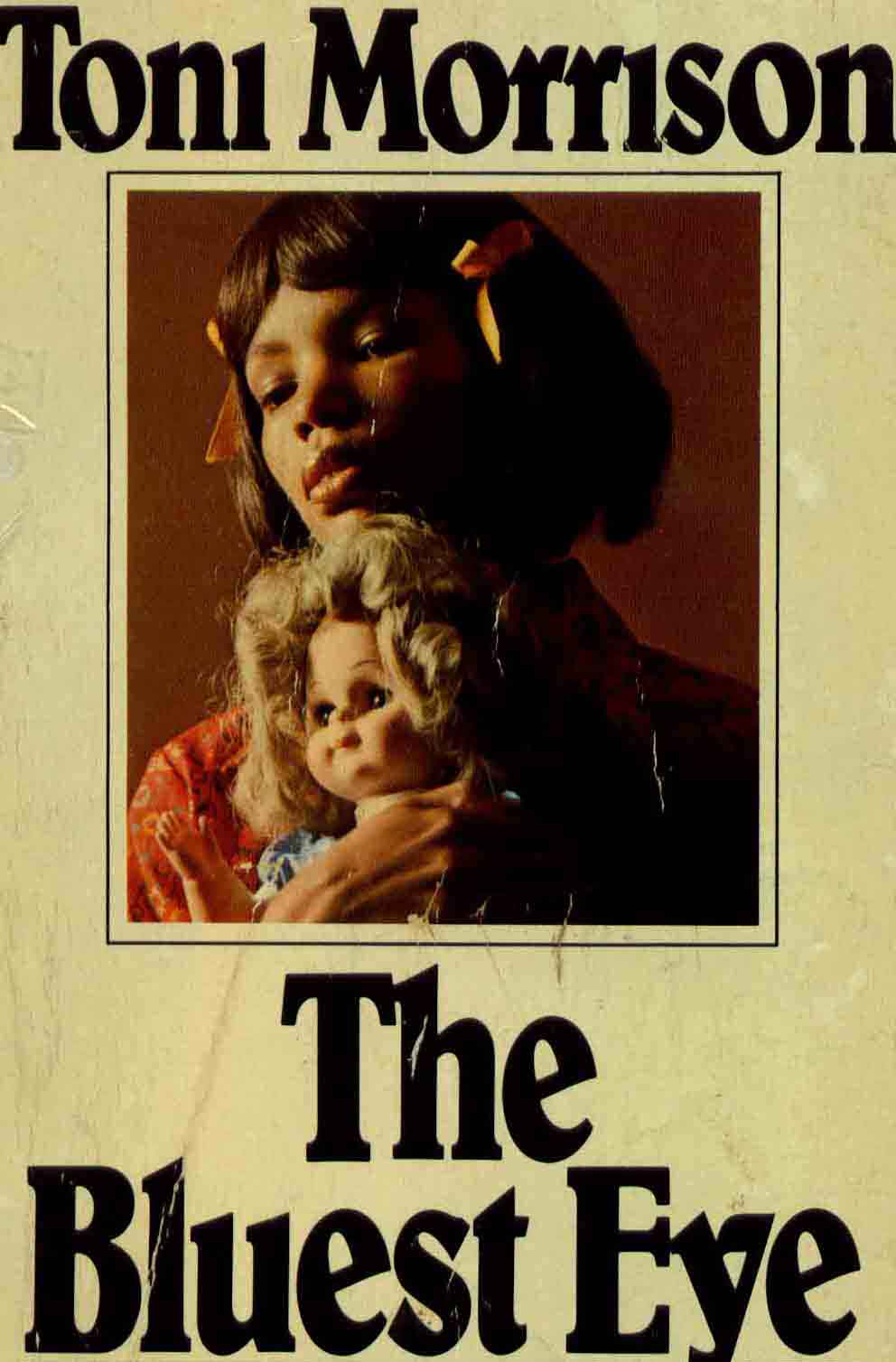
Sunday, October 25, 2015
Finishing up w/ The Bluest Eye
Why are there so many child molesters in this story? What do Mr. Henry, Soaphead Church, and Cholly have to do w/ each other?
What do you make of Soaphead Church's letter to God (176-182)? He writes, "...it is b/c I weep for You that I had to do your work for You" (180). Why does he weep for God? What is God's work that Church does?
Who is Pecola talking to on pp 193-204? Who is the italicized speaker?
Try to make some final comments about the novel. How was reading it for you compared to the previous two books of fiction?
What do you make of Soaphead Church's letter to God (176-182)? He writes, "...it is b/c I weep for You that I had to do your work for You" (180). Why does he weep for God? What is God's work that Church does?
Who is Pecola talking to on pp 193-204? Who is the italicized speaker?
Try to make some final comments about the novel. How was reading it for you compared to the previous two books of fiction?
[15] The Blueset Eye: Seasons
When you think of the four seasons, you mainly think about time. But in this novel it shows more that just time, it actually shows more on the description of what happens in each season and comparing it to the main characters lives.
For example:
Autumn: Autumn could be used to represent the ending of a year, to embrace a new year. In the year it's September October and November. In the novel, it shows the beggining, we we are introduced to Pecola.
Winter: Winter could be use to represent the beggining. In the year, December, January, February. People can also see it as cold, and empty.in the novel, Pecola during winter is accused of killing Geraldines cat, so winter could symbolize how cold hearted people like junior were towards Pecola.
Spring: Spring could be used to represent change, and growing up. In the year, it's March, April and May. In the novel however, during the spring part we see Pecola beaten by her mother, and Frieda being harassed by Mr. Henry, so maybe it's showing that although people see change as good, it isn't always good. Thus relates tonsprijg, because people see spring as sunshine and clear skies, but it also rains and has thunderstorms.
Summer: Summer could be used to represent freedom from normal activity. It the year, it represents June July and August. Summer is the smallest chapter in thus novel l, which I feel relates when we are on summer break, and it always goes by so fast. But in this novel, i feel that summer was used to show people who go insane, and can't stand the heat. I felt Pecola has went insane, she has thus imaginary friend, and sees herself with blue eyes.
For example:
Autumn: Autumn could be used to represent the ending of a year, to embrace a new year. In the year it's September October and November. In the novel, it shows the beggining, we we are introduced to Pecola.
Winter: Winter could be use to represent the beggining. In the year, December, January, February. People can also see it as cold, and empty.in the novel, Pecola during winter is accused of killing Geraldines cat, so winter could symbolize how cold hearted people like junior were towards Pecola.
Spring: Spring could be used to represent change, and growing up. In the year, it's March, April and May. In the novel however, during the spring part we see Pecola beaten by her mother, and Frieda being harassed by Mr. Henry, so maybe it's showing that although people see change as good, it isn't always good. Thus relates tonsprijg, because people see spring as sunshine and clear skies, but it also rains and has thunderstorms.
Summer: Summer could be used to represent freedom from normal activity. It the year, it represents June July and August. Summer is the smallest chapter in thus novel l, which I feel relates when we are on summer break, and it always goes by so fast. But in this novel, i feel that summer was used to show people who go insane, and can't stand the heat. I felt Pecola has went insane, she has thus imaginary friend, and sees herself with blue eyes.
The Seasons
The seasons are all about constant change and development that goes in a cycle, just like life. To me, Autumn is supposed to be the beginning of new events that are taking place, such as preparing for Halloween, Thanksgiving, and New Years that lie ahead. Winter is supposed to be a cold and harsh time of year where we're supposed to get strong storms and freezing weather that inables us to travel and reminds us that our safety and warmth is important. The beginning of Spring is supposed to be the end of these harsh events when the snow begins to stop and we all can calmly go about our ways without having to worry so much about temperature and the snow. The summer is when we can finally rejuvenate from everything that has gone on throughout the year and embrace new beginnings.
The seasons in "The Bluest Eye" represent similar events that unfold in the story. Autumn represents what is to be expected and development of what is coming. Both Winter and the beginning of Spring represent the peak of the stories events or the climax of them. Pecola being raped is an example of an event that is among the most brutal and only happens during peak of the story. Summer is supposed to mean strength for the characters in the hopes that later on in the future, those that are dark skinned would one day be given more equality and fairness in order to have a better society.
The seasons in "The Bluest Eye" represent similar events that unfold in the story. Autumn represents what is to be expected and development of what is coming. Both Winter and the beginning of Spring represent the peak of the stories events or the climax of them. Pecola being raped is an example of an event that is among the most brutal and only happens during peak of the story. Summer is supposed to mean strength for the characters in the hopes that later on in the future, those that are dark skinned would one day be given more equality and fairness in order to have a better society.
Dialogue in The Bluest Eye
We've talked a lot about the voices of this novel. The way it shifts from the school primer voice to a third person narrator to Claudia's narration. However, we haven't spoken about the way that Morrison uses dialogue in the book. The Russian theorist Mikhail Bakhtin writes about what he calls the heteroglossia, the many, sometimes conflicting, voices of a novel. Often these voices come in the form of dialogue. Let's look at the dialogue on pp 140-142. What is Morrison doing with the dialogue in this scene? How does it play out in this chapter? Do you have a sense about the way Morrison uses dialogue more generally?
Symbolic meaning of the 4 season
-Spring can be symbolic of starting new projects, sewing new seeds and coming forth with new ideas.
Summer is a time of light, joviality, expression and wholehearted action.
Fall is symbolic of the activity inspired by the warm radiance of the changing weather we see this time of year. Almost a mixture of winter and summer.
Winter symbolizes a time of silence in order to gain purity and clarification within ourselves
Summer is a time of light, joviality, expression and wholehearted action.
Fall is symbolic of the activity inspired by the warm radiance of the changing weather we see this time of year. Almost a mixture of winter and summer.
Winter symbolizes a time of silence in order to gain purity and clarification within ourselves
Thursday, October 22, 2015
The Bluest Eye finale
My reaction to reading the ending to "The Bluest Eye", by Toni Morrison, was that I was a little confused because of the jumps in the narration. I enjoyed the fact that we got to learn about Cholly's childhood in one chapter, because he was an important character and I didn't understand why he was the way he was until reading this chapter. I felt that I disliked Cholly before this chapter because he seemed like a lazy drunk who took advantage of his daughter. I still do not like Cholly because he got his own daughter pregnant, which is pretty disgusting. I feel that Pecola is a tragic character because she tries so desperately to fit into society, but she cannot, because she is black and grew up in a dysfunctional family in which her father raped her. The ending of the book made me a little depressed because it showed how Pecola's hopes and dreams were ruined because of her father.
We have 4 season spring, summer, autumn, and winter. When i think about spring, I remember going back to school.spring is also the time when plants begin to grow and animals reproduce. summer is the hottest of all the four season. In Autumn we can pick pumpkin for Halloween. The leaves changes colors . Winter i think about snow . In winter days become shorter and night become longer
What do they symbolize for the bluest eye ?
In the spring claudia is whipped new switches. and pecola's is raped. during spring new plants are growing and animals reproduce. In autumn pecola's baby dies, autumn is the season for harvesting.
T
What do they symbolize for the bluest eye ?
In the spring claudia is whipped new switches. and pecola's is raped. during spring new plants are growing and animals reproduce. In autumn pecola's baby dies, autumn is the season for harvesting.
T
Tuesday, October 20, 2015
Monday, October 19, 2015
Th Bluest Eye
Scroll down to the bottom to the quote "Frieda and I stopped fighting each other and concentrated on our guest, trying hard to keep her from feeling outdoors. I annotated to both parts of the sentence. You will see the highlight is broken up for two different anotations.
http://genius.com/Toni-morrison-outdoors-annotated/#
http://genius.com/Toni-morrison-outdoors-annotated/#
http://genius.com/Toni-morrison-outdoors-annotated/#
http://genius.com/Toni-morrison-outdoors-annotated/#
My annotation
http://genius.com/Toni-morrison-outdoors-annotated#
He had joined the animals; was, indeed, an old dog, a snake, a ratty nigger.
He had joined the animals; was, indeed, an old dog, a snake, a ratty nigger.
The bluest Eye
http://genius.com/Toni-morrison-the-gift-of-the-dolls-annotated/#
It had begun with Christmas and the gift of dolls.
It had begun with Christmas and the gift of dolls.
Annotation to the gift of the dolls by Toni Morrison
http://genius.com/8000854
this is the url for my annotation.

Genius Annotation (Improvement)
"The Maginot Line" Annotation
"A prostitute in “The Bluest Eye,” whose name is an allusion to the line of concrete fortifications obstacles, and weapons installations that France constructed along its borders with Germany during the 1930s. The line was a response to France’s experience in World War I and was constructed during the run-up to World War II. A similar line of defenses, called the Alpine Line, faced Italy."
My Improvement: "Miss Marie is being referred to as “The Maginot Line” as a humorous and ironic way of showing she is a prostitute that had been “penetrated”, similarly to how the defenses of France were during World War II.
http://genius.com/2118335
"A prostitute in “The Bluest Eye,” whose name is an allusion to the line of concrete fortifications obstacles, and weapons installations that France constructed along its borders with Germany during the 1930s. The line was a response to France’s experience in World War I and was constructed during the run-up to World War II. A similar line of defenses, called the Alpine Line, faced Italy."
My Improvement: "Miss Marie is being referred to as “The Maginot Line” as a humorous and ironic way of showing she is a prostitute that had been “penetrated”, similarly to how the defenses of France were during World War II.
http://genius.com/2118335
Link from genius
http://genius.com/8000860
This is my link from genius. I annotated the part where the children are insulting Bobby by saying he loves Pecola.
The Bluest Eye- Winter
Two things that bother me most out of this part of the novel was the fact that Mr. Henry had the prostitutes over and tried to buy the kids out of the house with ice cream so he could have alone time with them. The girls found out about it anyway, but where told not to tell there mama. And when Pecola goes over to Jr's house and she is blamed for killing the cat. Jr, clearly has some jealousy issues between the attention that the cat gets from his mother and the attention that he does not get from her, they are not the same. The cat was there before he was born, it gave her the love and attention that she needed. And when he was born was she just suppose to forget about the cat. She gave him what she thought that he needed, and that is what any mother would do. This was not enough for him so he went and killed the poor cat. I don't think that the relationship between him and his mother are going to change now that the cat is no longer alive. But over all The way that the mother acted with Pecola was uncalled for, she is black too, she might not be as black as she is but she comes from the same color bracket. The mother should know her son well enough to know that he had it out for that cat. That's why she never really left them alone together because he would harass the cat.
http://genius.com/AlexaRae143 (Link for post on GENIUS)
http://genius.com/AlexaRae143 (Link for post on GENIUS)
writting back to morrison
“Love is never any better than the lover. Wicked people love wickedly, violent people love violently, weak people love weakly, stupid people love stupidly, but the love of a free man is never safe. There is no gift for the beloved. The lover alone possesses his gift of love. The loved one is shorn, neutralized, frozen in the glare of the lover’s inward eye.”
The author is mentioning different versions of love that is being experienced throughout the book. Summing it up to show how each character is different in the way they are loved which determines how they love others. Each person has their own definition of whats right and wrong and what they feel they deserve. She also speaks of a universal love for a white girl with curly hair and blue eyes, the ideal child that many children (especially black) will never experience. Here it seems that the way that people love, and the quality of their love, is tied to their personalities
The author is mentioning different versions of love that is being experienced throughout the book. Summing it up to show how each character is different in the way they are loved which determines how they love others. Each person has their own definition of whats right and wrong and what they feel they deserve. She also speaks of a universal love for a white girl with curly hair and blue eyes, the ideal child that many children (especially black) will never experience. Here it seems that the way that people love, and the quality of their love, is tied to their personalities
“The Bluest Eye”- Season: winter
“The Bluest Eye”- Season: winter
The scene that stood out the most was when the new girl arrived
it’s like everyone one wanted to be like her just by her outer look, what she
wears , how she walk , the color of her skin, and the fact that she was wealthy.
It was about race, class and your skin color, it was portray as if whiteness
was more beautiful than blackness. Nevertheless Claudia became jealous of the
new girl Maureen…..
Poetic response to Morrison
Many authors like to use poetic quotes or just parts in there novels. To me it helps bring out the main concepts of the story and theme. Reading the poetic parts of the story helps me imagine me being part of the story. It helps expand my critical thinking to understand what is really going on in the story. Making each section a season has helped me imagine that I am going through them with the characters in the story. It helps me imagine that I am facing the things that they are going through.
There was one part in the Winter season that I felt was very poetic. The quote from this part was when Frieda and Claudia were walking away from Pecola after they said goodbye.
"We walked away quickly at first, and then slower, pausing every now and then to fasten garters, tie showlaces, scratch, or examine old scars. We were sinking under the wisdom, accuracy, and relevance of Maureen's last words. If she was cute-- and if anything could be believed, she was-- then we were not".
To me this is poetic because it is showing how the girls were feeling after listening to Maureen basically belittle them. They felt that they were less then nothing. It was as if they were nothing compared to anything else.
There was one part in the Winter season that I felt was very poetic. The quote from this part was when Frieda and Claudia were walking away from Pecola after they said goodbye.
"We walked away quickly at first, and then slower, pausing every now and then to fasten garters, tie showlaces, scratch, or examine old scars. We were sinking under the wisdom, accuracy, and relevance of Maureen's last words. If she was cute-- and if anything could be believed, she was-- then we were not".
To me this is poetic because it is showing how the girls were feeling after listening to Maureen basically belittle them. They felt that they were less then nothing. It was as if they were nothing compared to anything else.
Throughout the reading I was able to imagine life and customs at the time the story take place. The behavior that certain characters have are a result to a lack of parental guidance and economic issues. If we look at Cholly. Right from the start, 4 days after he was born, his mother wanted to kill him. He was wrapped in two blanket and was put on a junk heap by the railroad. He doesn't have a big role in the but the author took the time to tell a little about his....
Response to Morrison
"She held her head down against the cold. But she could not hold it low enough to avoid seeing the snowflakes falling and dying on the pavement." Page 93
Snowflakes are beautiful and unique. They're great to look at and see up close. Once they melt the beauty is gone for good. Pecola's visit to Junior's house is probably like a snowflake. She sees the beauty of it and she is so entranced by it. Then when Junior throws his mother's cat and his mother accuses her of it Pecola is once again brought back to the reality of ugliness. The pavement is destroying the snowflakes and Pecola wants the beauty to last so she doesn't want to see it destroyed like at the house.
Snowflakes are beautiful and unique. They're great to look at and see up close. Once they melt the beauty is gone for good. Pecola's visit to Junior's house is probably like a snowflake. She sees the beauty of it and she is so entranced by it. Then when Junior throws his mother's cat and his mother accuses her of it Pecola is once again brought back to the reality of ugliness. The pavement is destroying the snowflakes and Pecola wants the beauty to last so she doesn't want to see it destroyed like at the house.
we were still in love with ourselves then .we felt comfortable in our skins, enjoyed the news that our scars, and could not comprehend this unworthiness. Jealousy we understood and though natural- a desire to have what somebody else had. but envy was strange, new feeling for us .And all the time we knew that intense hatred. the thing to fear was the thing made her beautiful, and not us. fear can be use as positive way to motivator us through pressure,
"The Bluest Eye" (page 126)
" A smart baby she was. I used to like to watch her... a cross between a puppy and a dying man... but I knowed she was ugly. a head full of pretty hair, but lord she was ugly" The way Pauline, Pecolas mother, viewed her own child from birth was concerning. It seemed as if Pauline never gave Pecola a chance. She had doubts about her from the first time she layed eyes on her. learning about what Pecola went through was shocking, but after learning how her mother viewed her at one point explains everything that came later... How could a mother compare her child to a puppy and a dying man? it had to be a negative thought puppies are cute but we know Pauline believed that Pecola was ugly so......
Writing back to Morrison
A part of the reading that I found poetic was the last paragraph on page 93.
"Outside, the March wind blew into the rip in her dress. She held her head down against the cold. But she could not hold it low enough to avoid seeing the snowflakes falling and dying on the pavement."
It was interesting how snowfall was described as the snowflakes falling and dying. I think that it symbolizes how Pecola feels sad, or even ashamed.
Poetic Justice
I always find it quite compelling when authors include a sense of poetry that allows me to expand my imagination on what is happening in the text. Morrison was superb at including many lines that held so much imagery that basically drew a picture of the scenes in this novel. The way she described the seasons made me feel like I was experiencing each of them.
As he described the Winter portion, Morrison exclaims:
"Winter tightened our heads with a band of cold and melted our eyes. We put pepper in the feet of our stockings, Vaseline on our faces, and stared through the dark icebox mornings at four stewed prunes, slippery limps of oatmeal, and cocoa with a roof of skin". (61-62)
I thought this part of the text was very significant because she describes winter in a way we can all for the most part, relate to. As the days get colder, and fall turns into winter we pretty much bundle up and try our best to stand the cold. As she uses metaphors to explain how winter hits us so abruptly and how the cold air presses against our skin, I'm sure we can all relate to these feelings. When the cool breeze hits our eyes and they begin to water and tear up, is what she means by our eyes melting. I like the way she uses such figurative language to describe that. And we all know the feeling of having to put extra lotion on during the winter because everything gets dry! So the line about Vaseline on our faces was very amusing to me. The nights come earlier, and the mornings are darker and that's when it usually feels the coldest. I think Morrison hit the target with this description of the brutal yet cozy in a way vibe winter brings.
As he described the Winter portion, Morrison exclaims:
"Winter tightened our heads with a band of cold and melted our eyes. We put pepper in the feet of our stockings, Vaseline on our faces, and stared through the dark icebox mornings at four stewed prunes, slippery limps of oatmeal, and cocoa with a roof of skin". (61-62)
I thought this part of the text was very significant because she describes winter in a way we can all for the most part, relate to. As the days get colder, and fall turns into winter we pretty much bundle up and try our best to stand the cold. As she uses metaphors to explain how winter hits us so abruptly and how the cold air presses against our skin, I'm sure we can all relate to these feelings. When the cool breeze hits our eyes and they begin to water and tear up, is what she means by our eyes melting. I like the way she uses such figurative language to describe that. And we all know the feeling of having to put extra lotion on during the winter because everything gets dry! So the line about Vaseline on our faces was very amusing to me. The nights come earlier, and the mornings are darker and that's when it usually feels the coldest. I think Morrison hit the target with this description of the brutal yet cozy in a way vibe winter brings.
Writing back to Morrison
"Nor were they from that sensitive breed of young girl, gone wrong at the hands of fate, forced to cultivate an outward brittleness in order to protect her springtime from further shock, but knowing full well she was cut out for better things, and could make the right man happy." (pg 55-56)
This quote caught my eye and seemed very poetic. Also, telling a story. A story about the prostitutes. This line is very sensitive as well has could have many meanings. The prostitutes knew they could've done better, be a better person. Certain circumstances caused them to take a different path. Maybe this is what the prostitutes think in their heads. Like, maybe I could have done better. Do something greater with my life. But this line could also relate to the readers. Sometimes you know you can be better at something, do something greater than usual. Sometimes we choose to take the easy way out. In the long run we realize we should have achieved for greater, we are capable of much more. We always minimize ourselves and this quote makes you realize that you shouldn't.
This quote caught my eye and seemed very poetic. Also, telling a story. A story about the prostitutes. This line is very sensitive as well has could have many meanings. The prostitutes knew they could've done better, be a better person. Certain circumstances caused them to take a different path. Maybe this is what the prostitutes think in their heads. Like, maybe I could have done better. Do something greater with my life. But this line could also relate to the readers. Sometimes you know you can be better at something, do something greater than usual. Sometimes we choose to take the easy way out. In the long run we realize we should have achieved for greater, we are capable of much more. We always minimize ourselves and this quote makes you realize that you shouldn't.
[13] Writing Back to Morrison 2
The Bluest Eye , Page 74:
"Jealousy we understood and thought natural - a desire to have what somebody else had; but envy was a strange new feeling for me. And all the time we knew that Maureen Peal was not the Enemy and not worthy of such intense hatred. The thing to fear was the thing that made her beautiful, and not us."
In this part of the novel they discuss jealousy, and give the definition of it, but then she states that envy is a new feeling for "us." I do agree that they girls didn't fear Maureen for being an enemy but because of the fact that her beauty is what makes them fear her. But they describe envy as a new feeling, isn't envy and jealousy the same thing?
"Jealousy we understood and thought natural - a desire to have what somebody else had; but envy was a strange new feeling for me. And all the time we knew that Maureen Peal was not the Enemy and not worthy of such intense hatred. The thing to fear was the thing that made her beautiful, and not us."
In this part of the novel they discuss jealousy, and give the definition of it, but then she states that envy is a new feeling for "us." I do agree that they girls didn't fear Maureen for being an enemy but because of the fact that her beauty is what makes them fear her. But they describe envy as a new feeling, isn't envy and jealousy the same thing?
"Well, i don't want to go up by Isaley's. suppose Meringue Pie is hanging around. You want to run into her, Claudia?" pg 76
after the girls little encounter with Meringue who was acting like their friend but suddenly changed her attitude towards them all because a little disagreement they started to have over weather or not the girls had seen their father naked. Freida was very offended when Meringue was asking her all those question and it made her mad which caused them to exchange bad words to each other.
it always made Freida a little scared to go back for ice cream which was disappointing to her sister because they didn't had ice cream the first time they went to Isaley's.
this made me think whats going to happen when the girls go back to school and run into Meringue especially Freida who locker is right next to Meringue, will they get into another argument or will the girls try to avoid her at all cost.
after the girls little encounter with Meringue who was acting like their friend but suddenly changed her attitude towards them all because a little disagreement they started to have over weather or not the girls had seen their father naked. Freida was very offended when Meringue was asking her all those question and it made her mad which caused them to exchange bad words to each other.
it always made Freida a little scared to go back for ice cream which was disappointing to her sister because they didn't had ice cream the first time they went to Isaley's.
this made me think whats going to happen when the girls go back to school and run into Meringue especially Freida who locker is right next to Meringue, will they get into another argument or will the girls try to avoid her at all cost.
There was a main scene in this part that had caught my main attention. It was when Pecola was facing menstruation, babies, and naked men. She was scared that something was happening to her because she did not know what was going on because she did not have someone who can explain to her what was going on. She had to face it mainly on her own. She had Maureen to introduce what was mainly going on. The main people to comfort her where the 3 women living upstairs. I feel that every child boy and girl should be able to have someone to talk to about the real things that people have to face in life. It helps make things clearer and more understanding. This is something Pecola didn't have growing up. She mainly had the experience of her father getting her pregnant. That had to be such a traumatizing moment for Pecola that sadly she will never forget.
"The Bluest Eye" (page 87)
" Junior used to long to play with the black boys... more than anything in the world he wanted to play king of the mountain... he wanted to feel their hardness pressing on him, smell their wild blackness, and say fuck you with that lovely casualness.) this scene in the story stood out to me. There is a very deep message behind it. Junior's character is an insecure little boy who has no idea who he is, thanks to his mother. He is unhappy with himself. His mother controls the way he views people, they judge ones skin color and family dynamics. Junior is confused. He wants to play with the black boys and girls in his neighborhood, which he does but he competes with them. This makes him feel like he's better than them. Maybe stronger, smarter, and more powerful. I believe he does this only to justify his mothers beliefs about black kids. even though he may feel otherwise. He uses them, their time and temporary friendship to take what he can get/use from them. He than treats them like their nothing so beneath him, to make himself feel powerful. This scene also points out a question that's frequently asked "are people born races?" Most of us have our own beliefs, however this scene can be used as an example. Junior was not born races, his mother taught him to hate people. The saddest part about it is, she taught him to hate his own kind. When in reality, she's teaching him to hate himself.
Sunday, October 18, 2015
The Bluest Eyes
I was shocked when Claudia
destroyed the doll. I tried to find the reason why. It seems to be more
than the fact that they didn't ask her what she wanted for Christmas. I
think she had rejections issues. I think she felt that she was fighting
for a cause already lost. she didn't "fit" the "standards" prone at that
time. She is not able to see her worth. At a so young age she is a
"follower". She needed an idol, that she could relate to. The barrier
that society put between "Black and White" Prevents her from seeing what
really matters. She lacks of self confidence and parental attention.
[12] Writing Back To Morrision
A quote that I have noticed came from the beginning if the book, write before the actual story began.
"I had planted them too down into the earth. It never occurred to either of us that the earth itself might have been unyielding. We had dropped our seeds in our own little plot of black dirt just as Pecola's father had dropped his seeds in his own plot of black dirt. Our innocence and faith were no more productive than his lust of despair."
I felt that this quote really showed more on how people blame each other for mistakes, but when they really think about it, espically after accepting the fact that it could really have been their fault, it shows that maybe there is more to what is happening and that they can't really control it. They have faith and hope that the marigolds would grow but because they didn't, that desire that didn't happen, and that disappointment equals to the amount of happiness they couldn't be able to feel. What I am trying to say is, the blame really isn't towards the marigolds, but the fact that the person planted them in the earth in an area it wouldn't grow, but didn't really know it wouldn't have grow. It could also symbolize the relationship between Claudia and her sister and her family, that they may all seem very different but also very similar at the same exact time.
"I had planted them too down into the earth. It never occurred to either of us that the earth itself might have been unyielding. We had dropped our seeds in our own little plot of black dirt just as Pecola's father had dropped his seeds in his own plot of black dirt. Our innocence and faith were no more productive than his lust of despair."
I felt that this quote really showed more on how people blame each other for mistakes, but when they really think about it, espically after accepting the fact that it could really have been their fault, it shows that maybe there is more to what is happening and that they can't really control it. They have faith and hope that the marigolds would grow but because they didn't, that desire that didn't happen, and that disappointment equals to the amount of happiness they couldn't be able to feel. What I am trying to say is, the blame really isn't towards the marigolds, but the fact that the person planted them in the earth in an area it wouldn't grow, but didn't really know it wouldn't have grow. It could also symbolize the relationship between Claudia and her sister and her family, that they may all seem very different but also very similar at the same exact time.
[11] Responce To The Bluest Eye
Claudia seems like this tough person who rebels against what everyone seems to follow. Like that person who is different than the crowd. I think she destroys the doll in the story because of the fact that the adults just assumed that since she was a girl, that she would like a doll. And it is also because of this assumption that they didn't even bother asking her what she wanted for Christmas. Also the fact the doll they gave her, was supposed to show the person that someone would admire and be accepted by everyone, someone that she probably felt could never be her. This is a good example of a postmodernist novel. The way the novel can go back to different times, either past of present, shows how a person can change their reaction of what they could have done, from what has already been done.
[10] The Bluest Eye
So far, I felt that this novel was pretty symbolic and refers to people today, because even today we see blue eyes as a art with such beauty and magnificent. So the fact that the character Pecola sees blue eyes as being pretty does show how blue eyes symbolize beauty. Also from what I have read so far, this novel gets quite violent, but is acknowledged like its a normal thing. The fight between Cholly and Mrs. Breedlove. Like just out of nowhere he begins to beat her, she hit hits him, and like it seems to be normal, like it happens all the time.
This is an example I was referring too how we see blue eyes as beauty. This cat has its beauty from its blue eyes.

This is an example I was referring too how we see blue eyes as beauty. This cat has its beauty from its blue eyes.

Writing back to Morrison
Many readers have pointed out that Toni Morrison writes fiction like a poet. One of my favorite lines from this week's reading is, "Wolf killer turned hawk fighter he worked night and day to keep one from the door and the other from under the windowsills" (61). This is a wonderfully magical sketch of Claudia's father, a character who is not in the narrative much b/c he probably is working all the time. It sounds as if, though he's absent, he is protecting the family from predators.
I'd like you to choose a line from this week's reading that you found provocative or poetic and write a brief description about why.
I'd like you to choose a line from this week's reading that you found provocative or poetic and write a brief description about why.
The Bluest Eye part 2
My reaction to the beginning of the Spring section in the book "The Bluest Eye", by Toni Morrison is that I felt that I enjoyed the book a lot more I understood more about how the book was written. The discussion we had in class really helped me to appreciate the book more than when I first read it. I had a feeling that Mr. Henry was not trustworthy because he had just decided to move in with Claudia's family and seemed too nice. I wonder what other secrets he is hiding. One thing I don't understand in this section is why Frieda is so upset that Mr. Henry molesting her will ruin her. I also don't understand why Ms. Marie is called the Maginot Line, is it some kind of symbolism? One of the biggest questions I have is why there are multiple narrations seen in this book and why the story is not really that linear. The story seems to jump from when Pecola is staying at Claudia's house, to before Cholly gets arrested, and to Claudia's later life. It makes this book very interesting and a little confusing to understand.
Saturday, October 17, 2015
The Bluest Eye
The Bluest Eye
My first question about the novel is what is the role of Claudia? Secondly, why were Claudia's parents so neglectful to her was she was growing up? Lastly, when Pecola decides to go to Soaphead Church, the “spiritual adviser” of the town, why didn't the man help her in positive way? Overall I found the story very interesting, and somewhat relative on the issue of racism.
Friday, October 16, 2015
Bluest eye
The girl who Goes through the most with "white beauty standards" is Pecola. Pecola believes if she had blue eyes it would make her problems disappear. She believed she would be loved the right way and accepted how she wanted to be accepted. Why did the author make it so hard for her to accept herself? Why did she need to go through madness and anger?
Bluest eye
What was symbolic about the Breedlove apartment?
The author makes it sound as if the storefront doesn't blend in with any other building. What happened that makes it so different?
The author makes it sound as if the storefront doesn't blend in with any other building. What happened that makes it so different?
The Bluest Eye
I thought that this novel was for the most part, very interesting. The scene I wanted to discuss the most was when the children were outside, basically trying to help Pecola from bleeding. I feel like, this is such a real life situation mainly because every girl goes through menstruation in their lives. Some undergo it at a young age, some older but unless you've been taught about what it is, it can be very scary to go through. I can't imagine what was going through Pecola's mind at that moment, like it's such a personal moment but obviously she didn't know any better. It's clear that she didn't really have a guardian or somewhat mother-figure in her life to teach her about things like that so when it happened she had no idea what to do or what was going on. For any girl, that's such an important conversation to have.
The Bluest Eye Part 2
After reading on in the story, it's clear that Morrison's purpose is to reveal the harsh realities of racism and segregation of black people during the time. Pecola and the girls did not have any knowledge on menstruation and how it works so it's obvious that they weren't too educated and the fact that Pecola wants to have blue eyes in order to feel beautiful shows the insecurity she felt. The fact that she's abused by other kids, her parents, and isn't social with anyone besides Claudia and Frieda shows that Morrison wanted to prove that especially in the 1940s, people were being frowned upon for being of a certain race or having a certain skin color. Those being degraded would end up feeling that they need to be like whatever it is that is looked up to in order to gain acceptance from others and that is exactly what Pecola's issue is in the story.
Thursday, October 15, 2015
The Bluest Eye
After Wednesday class, I left the class thinking about your question "What kind of argument is Morrison making?"
So far after the reading we did and the discussion during class, she's expressing how things were back then. One topic being discussed was education. I feel that the fact she always repeats the Dick and Jane story in certain parts of the story shows their memorization of it. I feel as if thats the only way they learn how to read, by that story. Also, the fact that the girls did not know much about menstruation. I feel like these girls lack lots of education. I feel that because of this Morrison is trying to show the education system wasn't good during these times. I also feel that her parents, especially her mom is not there to talk about things like this with her. There is something lacking in that family. I think its a lack of care.
So far after the reading we did and the discussion during class, she's expressing how things were back then. One topic being discussed was education. I feel that the fact she always repeats the Dick and Jane story in certain parts of the story shows their memorization of it. I feel as if thats the only way they learn how to read, by that story. Also, the fact that the girls did not know much about menstruation. I feel like these girls lack lots of education. I feel that because of this Morrison is trying to show the education system wasn't good during these times. I also feel that her parents, especially her mom is not there to talk about things like this with her. There is something lacking in that family. I think its a lack of care.
The Bluest Eye- Autumn
I think what I found most interesting about this part of the novel was when Pecola goes upstairs to talk with the Three "whores" that live above her. To me they don't seem much like the normal prostitutes, maybe thats just because of the time period that it was. They seemed to understand Pecola more then her parents did and care about her more then they did. I would say that they are someone that Pecola looks up to being that they have a home to leave in and money to support themselves, just not what they do as far as jobs. Another part of the story that I thought was weird but interesting was when Pecola went to go and get "Mary Jane's", the man at the counter seemed extremely confused by her. "He urges his eyes out of his thoughts to encounter her. Blue eyes. Blear-dropped. Slowly, like Indian summer moving imperceptibly toward fall, he looks towards her. Somewhere between retina and object, between vision and view, his eyes draw back, hesitate, and hover. At some fixed point in time and space he senses that he need not waste the effort of a glance. He does not see her, because for him there is notting to see." I feel that this part shows that he is confused by her presence and it also shows his racism. How it was not ok in his eye for an African American to be buying things or items at his store.
Wednesday, October 14, 2015
"The Bluest Eye"
One scene we never got to touch base with that I find interesting is the scene of Pecola and the prostitutes. We are informed that Pecola often visited China, Poland, and Miss Marie (the 3 prostitutes), and they conveniently lived upstairs to Pecola (when Pecola and her family weren't "put outside"). The women had a good relationship with Pecola, and even were concerned about little things that parents would be questioning (example: Miss Marie asks Pecola where her socks are since she isn't wearing any -- a question a mother would ask their children).
On page 57, the paragraph "Pecola went to the window and looked down.......Maybe that was love. Choking sounds and silence", raises a question to me about Pecola and her life. She is unsure of the idea of "love" and when she hears about Miss Marie's love life, she questions what love is destined to be. She even thinks of her parents and the sounds her father makes "as though he were in pain" and how her mother "made no noise at all". It's a different picture than the one Miss Marie explained about her personal life with Dewey Prince. Pecola is being conditioned to learn the opposite of love and doesn't seem to enjoy her life at home; maybe this could be the reason she is constantly visiting the three women.
On page 57, the paragraph "Pecola went to the window and looked down.......Maybe that was love. Choking sounds and silence", raises a question to me about Pecola and her life. She is unsure of the idea of "love" and when she hears about Miss Marie's love life, she questions what love is destined to be. She even thinks of her parents and the sounds her father makes "as though he were in pain" and how her mother "made no noise at all". It's a different picture than the one Miss Marie explained about her personal life with Dewey Prince. Pecola is being conditioned to learn the opposite of love and doesn't seem to enjoy her life at home; maybe this could be the reason she is constantly visiting the three women.
The Bluest Eye
In Tony Morrison's "The Bluest Eye", the beginning of the novel was at first somewhat difficult to follow because of its dialogue but after a while, the meaning behind the sentence at the beginning of each chapter began to make more sense. The character Pecola Breedlove is someone who I think is manipulated into believing that she'd only be beautiful by having blue eyes and I think it's because of the pain her family inflicts from them being a black family during a time of harsh racism. I hope that deeper into the story, the dialogue becomes more open and we get to see why these people are who they are since as of yet, it is difficult to follow when the novel constantly jumps from one character to the next. But overall, I'm enjoying the story in terms of it's diversity of characters and how they each go about in the story.
Tuesday, October 13, 2015
The Bluest Eye
I'd like us to think about how The Bluest Eye is a postmodern narrative. One way that is probably pretty obvious to a lot of you is that, as Powell writes, po-mo art/literature included a lot of voices who had formerly not had a platform from which to speak. Although there is a more traditional 3rd person omniscient voice in the novel, we also have the voice of Claudia, the young African American girl from the novel. What is she like? Why can't she love the doll she's been given? (20-21) What does her story have to do w/ the opening section of the novel? In 1970, when this novel was published, what part of society is she speaking for?
Another aspect of po-mo lit is fragmentation. Think about the earlier work of Dick and Kafka: All of their work is told from a central location, a single narrator. This novel is not. Not only is narration fragmented, but also time is. The novel is not told in chronological order. Po-mo writers felt that traditional forms of literature were limiting and they tried to create their own way of telling stories. Can you see other ways that this novel is fragmented or innovative? How is it different from other novels you've read? Why does it open the way it does? What do you expect to happen next in the novel?
Another aspect of po-mo lit is fragmentation. Think about the earlier work of Dick and Kafka: All of their work is told from a central location, a single narrator. This novel is not. Not only is narration fragmented, but also time is. The novel is not told in chronological order. Po-mo writers felt that traditional forms of literature were limiting and they tried to create their own way of telling stories. Can you see other ways that this novel is fragmented or innovative? How is it different from other novels you've read? Why does it open the way it does? What do you expect to happen next in the novel?
[9] Blade Runner and Do Androids Dream of Electric Sheep?
I feel that if we didn’t read “Do Androids Dream of Electric
Sheep,” we would have been confused about the movie. I think it was a good idea
to make the movie less religious, and move away from the empathy box and
mercer. The reason because it helps us focus more on the androids and the
bounty hunters rather than people stuck following the same thing over and over
again. The tones of these relationships with Rick and Rachael are both very
different. In the book, we see it as oh my god he’s cheating he’s a bad person,
but in the movie, since the wife isn’t mentioned at all, we see it like aww he
has feelings for an android, maybe androids aren’t as bad as people see them. The
film does look like what Imagined it to be. More of a futuristic setting, but
it always seemed to be dark. No sunlight ever showed throughout the movie.
Subscribe to:
Comments (Atom)